
President Bola Ahmed Tinubu has approved a one-year extension of the ban on the export of raw shea nuts, reinforcing the Federal Government’s push for domestic processing and value addition.
The renewed ban takes effect from February 26, 2026, to February 25, 2027.
According to a statement issued Tuesday by the President’s Special Adviser on Information and Strategy, Bayo Onanuga, the move is aimed at “advancing industrial development, strengthening domestic value addition, and supporting the objectives of the Renewed Hope Agenda.”
The policy seeks to deepen Nigeria’s processing capacity within the shea value chain, improve livelihoods in shea-producing communities, and shift exports from raw commodities to higher-value finished products.
Reach millions of engaged Real Media readers across Nigeria and beyond
ADVERTISE WITH USUnder the new directive, all waivers previously granted for the direct export of raw shea nuts have been withdrawn. Any surplus raw shea nuts may now be exported only through a framework established by the Nigerian Commodity Exchange (NCX) and in line with approved national guidelines.
President Tinubu also authorised the Ministers of Industry, Trade and Investment, alongside the Presidential Food Security Coordination Unit (PFSCU), to coordinate the implementation of a unified national framework to align industrialisation, trade, and investment priorities across the shea nut value chain.
In addition, the President directed the Federal Ministry of Finance to provide access to a dedicated NESS Support Window to enable the Ministry of Industry, Trade and Investment pilot a Livelihood Finance Mechanism aimed at strengthening production and processing capacity.
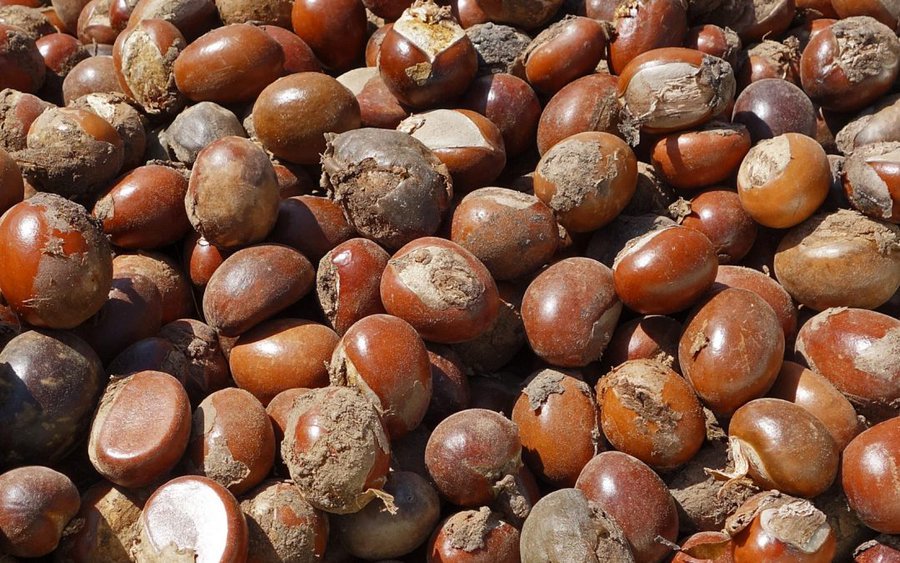
Shea nuts, harvested from shea trees common in Nigeria’s Savanna belt, are processed into shea butter, a product widely used in cosmetics and edible oils. According to the statement, processed shea butter can fetch between 10 and 20 times the price of raw shea nuts in international markets.
The Federal Government said the extension aligns with its broader goal of promoting inclusive growth, boosting local manufacturing, and positioning Nigeria as a competitive player in global agricultural value chains.
Top stories in your inbox every morning. No spam.
